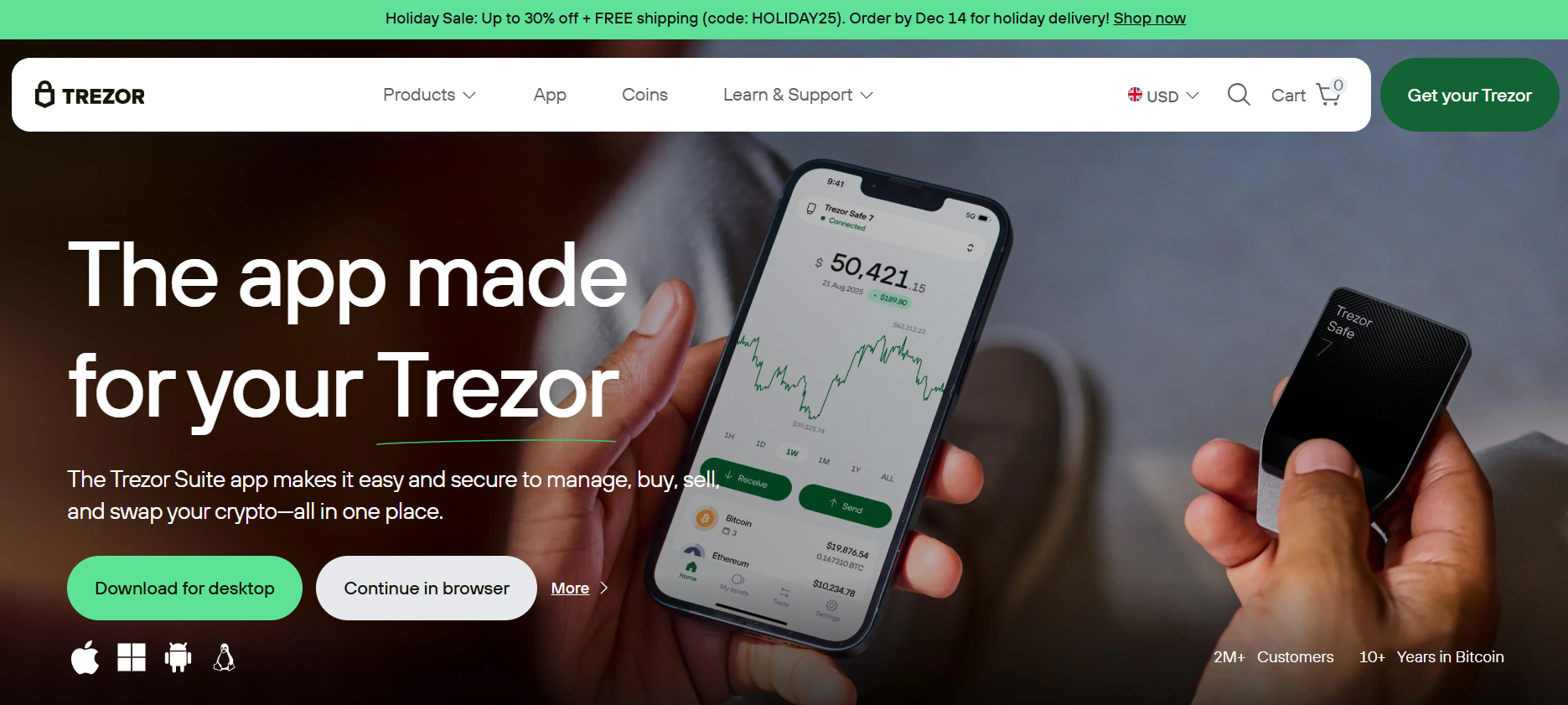
Trezor.io/start: A Practical Guide to Reviewing Your Wallet Before Everyday Use
Setting up a hardware wallet is only the beginning of responsible cryptocurrency management. A simple review routine can help you understand your accounts, verify transaction details, and protect important security information. Trezor.io/start can be a useful reference when revisiting setup basics and preparing for regular wallet activity.
Prepare Before You Begin
Start in a trusted environment
Use a computer you recognize, keep its operating system reasonably up to date, and avoid unfamiliar applications or browser extensions. Find setup instructions through trusted resources rather than links in unexpected messages. A familiar environment makes unusual prompts easier to notice.
Connect and review your device
Connect your Trezor device using the normal setup process. When it is recognized, review the information shown on the computer and the physical device. Read any request for confirmation carefully before approving; the device is an important place to verify sensitive wallet actions.
Review Accounts and Transaction Details
Confirm the account, asset, and network
Before a transaction, check that you have selected the intended account and asset. If you manage several accounts, clear names and occasional reviews can make them easier to navigate. Also confirm the network: similar token names do not mean that different networks are interchangeable. If anything looks unfamiliar, pause and consult trusted documentation.
Verify receiving and outgoing information
Generate a receiving address from the intended account. Review it carefully and, where supported, confirm it on your Trezor device before sharing it. For outgoing transactions, check the recipient address, asset, network, amount, and fee. Read the transaction details on the device before approval. If any detail differs from what you expect, do not proceed until you understand why.
Keep Your Recovery Seed Private
Store your recovery seed securely according to the manufacturer's guidance. Never enter it into a random website, online form, email, or chat. Be cautious of anyone who says your wallet must be “verified” or “synchronized” by providing the seed. Only share public receiving information; keep recovery details and private credentials out of personal transaction records.
Make a Simple Pre-Transaction Check
Before approving an important transaction, ask yourself:
- Am I using the correct wallet account, asset, and network?
- Did I verify the destination address and amount?
- Have I reviewed the fee and confirmed the details on my device?
- Have I kept my recovery seed private?
A short checklist can become a useful everyday habit. Keep simple records of important transactions if helpful, without including recovery information or other confidential credentials.
Return to Trezor.io/start When Needed
Setup does not have to be a one-time learning experience. If you return to your wallet after a break or want to refresh your understanding, Trezor.io/start can be a practical starting point for reviewing the basics. Prefer trusted documentation to instructions from unknown websites or unsolicited messages.
Final Thoughts
Reliable wallet habits are built through consistent, careful actions. Reviewing accounts, checking networks, verifying addresses, and protecting your recovery seed can make crypto management more deliberate. Use trusted setup information as a reference, and take time to confirm important actions directly on your hardware wallet.